
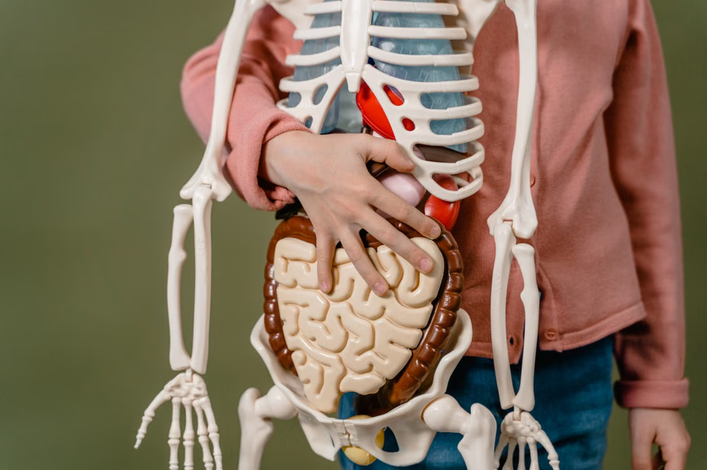
The digestive system does more than process food and absorb nutrients. It continuously sends the brain information about internal conditions, including stomach expansion, intestinal movement, nutrient availability, and chemical changes within the digestive tract. This communication occurs through several pathways involving nerves, hormones, and immune signals. Together, these systems help the brain interpret what is happening inside the body and coordinate appropriate responses. Digestive sensations such as fullness, nausea, and abdominal discomfort emerge partly from how the nervous system processes this ongoing stream of information.
Why Nerve Signals Carry Important Information

One major communication pathway is the vagus nerve, which connects the brainstem to organs such as the stomach and intestines. Sensory fibers within this nerve transmit information about stretching, digestive activity, and chemical conditions inside the body. Other sensory nerves carry signals from the digestive tract through spinal cord pathways. The brain combines these messages with information from other bodily systems to produce sensations and regulate automatic functions. Because much of this communication happens without conscious awareness, digestive activity can influence bodily responses even when a person does not directly notice the underlying signals.
How Hormones Influence Digestive Perception
Hormones released by the digestive tract provide another way to communicate information about food and energy availability. Substances such as cholecystokinin, glucagon-like peptide 1, and ghrelin signal digestion, appetite, and fullness. These chemical messengers can influence brain regions that regulate food intake and interpret internal bodily conditions. Their effects depend on when they are released, receptor activity, and interactions with other signals. Hunger and satiety therefore emerge from coordinated biological processes rather than from a single hormone or isolated message originating in the stomach.
How the Brain Combines Internal Signals

The brain does not interpret digestive messages in isolation. It integrates signals from internal organs with sensory input, memory, attention, emotional state, and the surrounding environment. For example, stomach fullness may feel different depending on recent eating patterns, expectations, or stress levels. The insula and other brain regions help process information about internal bodily states, a process known as interoception. This integration helps explain why similar digestive sensations can feel different across situations, even when the underlying physical signals are broadly comparable.
Why Emotions Can Influence Digestive Sensations
Communication between the brain and digestive system operates in both directions. Stress, anticipation, and emotional arousal can influence digestive movement, secretion, and sensitivity through neural, hormonal, and other physiological pathways. In turn, digestive discomfort can affect attention, mood, and well-being. These interactions form part of the gut-brain connection, which involves more than a direct nerve pathway. The intestinal microbiome and immune signaling may also contribute to this network, although scientists are still investigating their specific effects on human thoughts and emotions.
The brain interprets signals from the digestive system through an interconnected network of nerves, hormones, and other biological communication pathways. These signals convey information about food intake, fullness, movement, and internal discomfort, helping the body coordinate digestion and regulate behavior. The brain combines this information with memory, attention, and emotional context, shaping how digestive sensations are experienced. Because communication works both ways, mental states can also influence digestive activity. Understanding this relationship helps explain why digestion and perception are closely connected rather than functioning as entirely separate processes.
…


 Kimchi is filled with lactic acid bacteria, which can help improve your digestion. This is due to the fermentation process that it goes through during preparation. As a result, kimchi can keep your digestive system healthy and regular. It’s even been found to reduce the symptoms of irritable bowel syndrome (IBS). Additionally, kimchi is a good source of dietary fiber, which is good for digestion. Not only that, but the probiotics in kimchi can also reduce inflammation and help your body absorb other nutrients more easily.
 You might never think that kimchi has anti-aging effects, but it does. This is because of a compound found in kimchi called S-allylcysteine. This compound can help reduce inflammation and oxidative stress, which are both factors that can contribute to the aging process. It may also protect against age-related diseases such as diabetes and Alzheimer’s disease. On top of that, kimchi also contains antioxidants, which can help protect your skin from the damaging effects of free radicals.

 Anxiety is a condition that affects millions of people all over the world. CBD is effective in treating anxiety and can even help to reduce symptoms of anxiety disorders. CBD works by interacting with the body’s endocannabinoid system, which regulates mood and anxiety. When CBD is taken, it can help restore balance to the endocannabinoid system, which can help reduce anxiety symptoms. Anxiety has many treatments, but CBD is a safe and effective option that can help relieve symptoms.


 One of the most complex parts of the human body is the brain. Though it takes a small part of your body, it is the most important part, since it controls all the functions in your body. These include physiological and thought processes. Drugs and alcohol have a great effect on the brain since it interferes with the chemicals that make your brain work well.
 This is another major effect that drugs and substances have on your health. Your immune system ensures that you do not get diseases easily since it protects you. By becoming addicted and abusing the substances your body’s immune system is greatly affected, and you become exposed to various infections. Further, these substances largely affect your cardiovascular system. This happens when your heart is affected due to abnormal heart rates. This can easily lead to heart attack. The drugs that are injected into your body sometimes leads to collapsing of blood vessels as well as veins.

 This is one of the main ways that can assist you in maintaining healthy skin. Smoking greatly affects your skin health as well as texture making it have wrinkles and look older. This is because, when you smoke, the small vessels in the outer layer of your skin are narrowed, and this reduces the blood flow. This leads to a reduction of oxygen and other essential nutrients that should be flowing to your skin. Further, smoking leads to the damage of elastin and collagen which gives your skin elasticity and strength.